By Yna Bargo |June 8, 2025

By Yna Bargo |June 8, 2025
SUBTLE neglect and ignorance can be just as damaging as intentional cruelty. Many will brush it off, but ignorance is an enabler, and omission makes issues thrive. When it comes to animal welfare, many are indifferent or even deliberately disregard these damaging acts, a mindset of apathy that quietly sustains cruelty. To truly protect and conserve animals, we must recognise and confront harmful patterns in society as well as ourselves, even if it means accepting that we may be contributing to these harmful acts by not contributing at all. Perhaps it’s time to ask whether we are truly part of the problem.
Small animals like hamsters, fish, and certain types of reptiles suffer the majority of the impulse buying phenomenon, as they are marketed as easy, low-maintenance pets. These animals suffer premature death, especially when the novelty fades. The term "practice pet" is thrown around by people who want to silence criticism and avoid responsibility. They deem these small animals as practice to test boundaries on what they could do as a bare minimum to keep the animals barely alive. A hamster has no right to be living in an observably small cage, equivalent to living in a box. No fish should be living in a bowl with plastic stones, and no animal should be kept alive without truly living. We should know by now what happens when we are too lenient on obvious neglect. The idea of a “low-effort” pet is a myth. Every animal, from the smallest hamster to the largest dog, requires attention and proper care.
Narcissistic owners treat pets as accessories for social media, not as living beings. The trend of buying overly expensive pets just for status is another symptom of this problem. Some who claim to be “dog people” seek out a certain aesthetic or overall look that often jeopardises the dog’s overall well-being. Furthermore, people choose a certain breed for their looks without taking into account the needs of that specific breed of dog. For example, French bulldogs will sell for over Php 25,000 to Php 200,000+, depending on the extent of breed modification. Over time, the French bulldog has been bred to have shorter snouts, shorter spines, bigger heads, and shorter legs to fetch better prices on the market. Spending thousands on a rare breed that can barely breathe while shelter animals wait for homes says more about a person’s ego than their ability to care. Influencers post pictures of their animals dressed up in cute outfits, with good lighting and edited photos to hide years' worth of neglect, a painful watch for those who notice, and entertainment for the uneducated. If you only care about your pet when it's time to strike a pose for the camera, you shouldn’t own one at all.
When animals are valued for their appearance more than their welfare, their emotional and behavioural needs are often neglected. All domestic animals need some form of training or desensitisation. A study by Rachel Casey in 2021 shows that aversive-based training can lead to more pessimistic behaviour outcomes in dogs than reward-based training. For instance, a majority of dog owners expect their dogs to be calm, silent, and obedient at all times, punishing natural behaviours such as barking, curiosity and excitement. Expression should not be penalised. Responsible training grounded in good reinforcement is one of the most loving acts a guardian can do, yet some still use fear, pain, or dominance techniques. These violent methods suppress an animal's spirit and create anxiety, aggression and neurological issues, which in turn will enable them to navigate the world with fear instead of curiosity and excitement. True training is rooted in positive reinforcement and respect, empowering animals and nurturing a trusting bond. Pain does not equal better results.
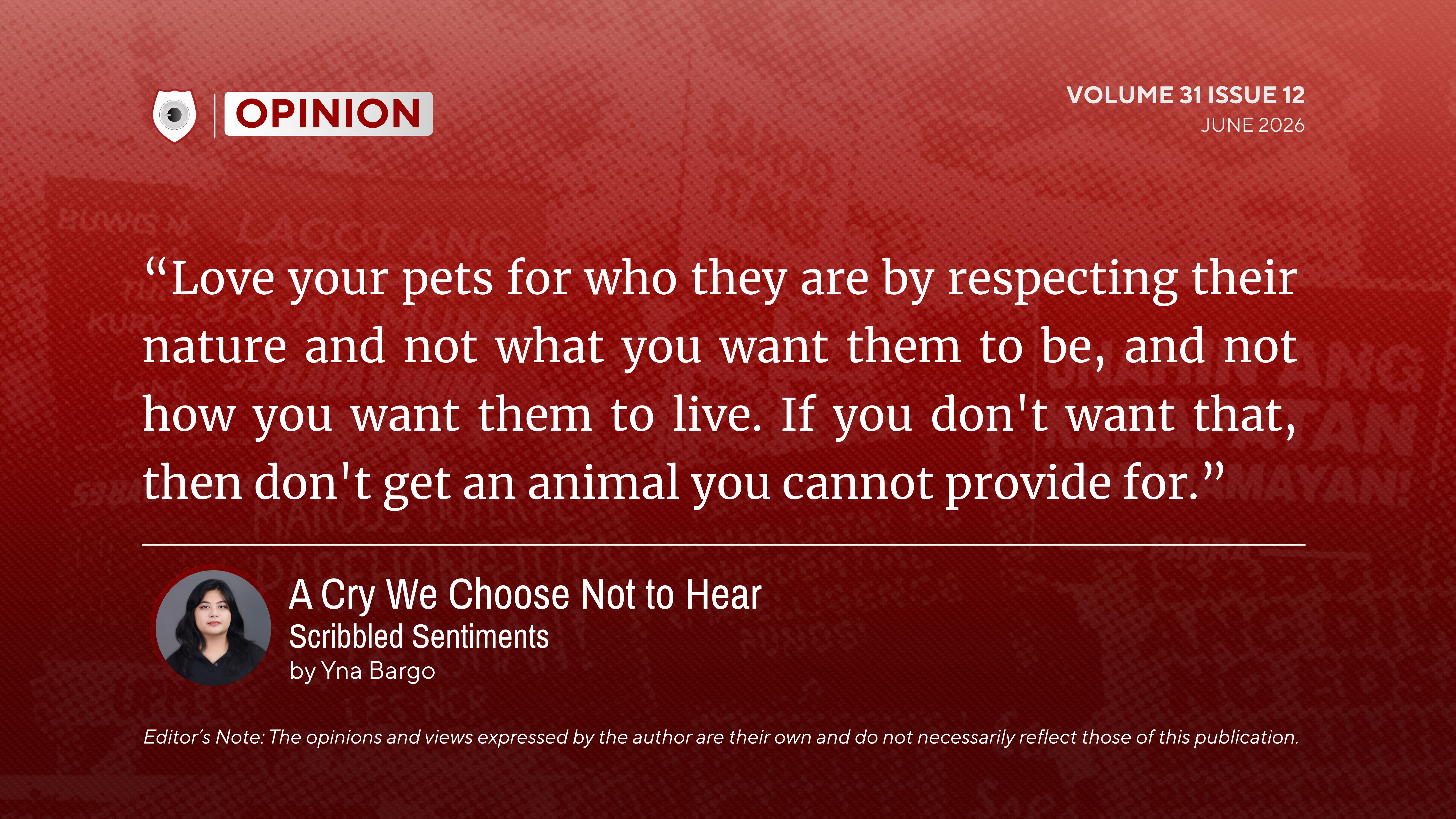
It's not just dogs; other animals also experience the same problems. Ignorant owners and owners who simply choose to ignore obvious unnatural settings have a recurring issue that keeps animals in conditions that disregard their fundamental needs. Imagine giving a fish a plastic home, giving a bunny a bunk bed, or putting hamsters in toy cars. Treating a pet as if it has human needs will lead to owners failing to meet species-specific requirements such as space, enrichment, exercise, or proper feeding, harming the welfare over time. Just because it looks good to you does not mean it seems good for them. As such, treating animals as if they are human causes real suffering. Imposing human standards, diets, emotions, or expectations on pets is not cute; it’s ignorant. An example of this is punishing dogs for looking “guilty.” Dogs cannot feel genuine guilt. This leads to unnecessary stress for something they did, which they are unaware of. To add, training animals to behave a certain way just because you find it cute raises red flags. Love your pets for who they are by respecting their nature and not what you want them to be, and not how you want them to live. If you don't want that, then don't get an animal you cannot provide for.
People often get defensive when confronted about their own issues of animal abuse, deeming it as something not worthy of attention or calling you out as being overly dramatic. Getting them to recognise that guilt would mean accepting that their actions, out of ignorance, laziness, or ego, have directly caused harm to an animal they’ve exploited to help with their self-image. Instead of reflecting and improving, many double down, lash out, or invent excuses to justify their neglect. This defensiveness is a way to protect their pride, but at the end of the day, it does nothing to help the animal that’s suffering. The point is not “then, you do it” but rather, “why can't I do it?” Many miss the point of criticism, seeing it as an attack rather than a genuine concern. The same mindset that excuses harm toward pets often influences how humans justify their interference with wildlife and natural ecosystems.
Humans often act as if we stand above or apart from nature, but we are inseparable from the web of life. Our choices ripple through ecosystems and affect countless other beings. Ethical nature trips are always possible, but if there is no way to visit wildlife without disrupting the ecosystem, maybe step back. Wild is wild, and it should never be treated with such disrespect. Take a look at the environmental crises, zoonotic diseases, and ecosystem collapses that result from this mindset. Until we accept our place within the natural world, we will remain its greatest threat. Yet some of the most common forms of cruelty lie not out in the wild but in our own homes.
Neglecting your pets, failing to provide food, water, shelter, medical attention, social interaction, and enrichment is cruelty, plain and simple. If you can afford to buy yourself instant gratification items like overpriced, useless consumerism junk and claim you can’t afford proper care for your dog, let’s be honest: your priorities are the problem. Animals are completely dependent on us, and ignoring their needs is never justifiable. If you know you can’t financially provide for your pet, there is always a way, but only if you actually care; you just can’t be bothered to do even the bare minimum. The truth is, even those with little means often provide better care and love than those who flaunt their wealth but can’t be bothered to meet their pet’s needs. If you can't afford the bare minimum, do not get a pet, simple as that.
Voiceless does not mean inferior. The fact that animals lack a human voice makes it even more urgent for us to advocate for their rights and welfare. We have to remember that this is their home too, invasive species or not. Animal abuse thrives in ignorance, convenience, and misplaced affection, not just in overt violence. Recognising and rejecting hidden cruelty in all its forms will bring us closer to a better and more diverse world, yet to this day, that future remains a blur.
Volume 31 | Issue 12