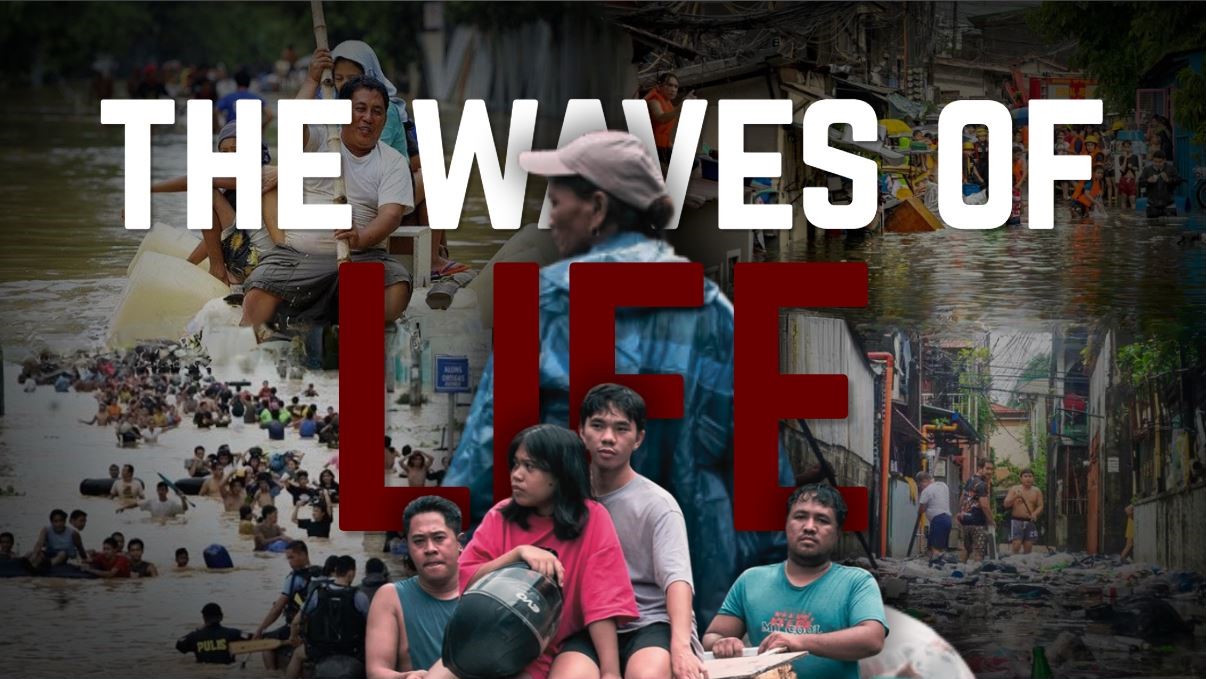
THE Philippines has endured one storm after another throughout August, bringing heavy rains, flooded roads, suspended classes, disrupted commutes, and damaged homes. But for communities repeatedly caught in the path of flooding, the consequences do not end when the rain stops. It can mean wondering whether they will make it home safely, losing another day of work, or watching hard-earned belongings disappear beneath rising water.
Floods do more than disrupt school, work, and daily routines. For communities that face them repeatedly, each disaster can also bring the fear that another one is only a storm away.
The Human Cost of Floods
The human cost of the floods has been deadly. According to the Office of Civil Defense (OCD), more than 30 people died from floods and landslides caused by monsoon rains intensified by four weather disturbances in August. The storms also damaged infrastructure, including a portion of the Aquino Bridge in Tarlac province, which collapsed amid strong currents from the Tarlac River.
Beyond the lives lost and infrastructure damaged, floods leave families struggling to recover from the destruction. For the loved ones left behind, the loss does not end when the floodwaters recede. They must continue living with an absence that cannot be repaired or replaced.
But why do floods remain a recurring threat to Filipino communities? Beyond heavy rainfall, factors such as poor drainage systems, clogged waterways, deforestation, rapid urbanization, and inadequate flood-control measures can worsen flooding. As these problems persist, communities remain vulnerable, turning floods from a temporary disaster into a recurring threat that continues to disrupt lives.
The Water Takes It All
For farmers, floods can mean submerged fields, damaged crops, and lost livestock. Fisherfolk may return to damaged boats and fishing equipment, while families can lose appliances, furniture, school supplies, and other necessities to floodwaters. For households already living with limited resources, the cost of repairing, replacing, and rebuilding can make recovery even more difficult.
In Macabebe, Pampanga, where floodwaters remained for weeks, elderly resident Florita Pacia was forced to stay on the second floor of her neighbor’s home.
In a GMA News report last Aug. 16, Pacia described the helplessness of waiting for the water to recede: “Wala kang magawa…talagang ganiyan diba? Siguro matatapos din ‘to diba?”
The effects also reach classrooms. Repeated class suspensions can interrupt students’ lessons and create gaps in their education, particularly in communities where flooding frequently disrupts school operations. Floodwaters can also pose health risks, with prolonged exposure increasing the danger of illnesses such as leptospirosis and dengue, while crowded evacuation centers can create additional health concerns.
Recovery can take weeks or even months, requiring families to rebuild their homes, return to work, and make up for lost opportunities. For those living in flood-prone communities, the uncertainty of facing another disaster makes rebuilding an exhausting cycle rather than a one-time effort.
How Long the Swim Will Be
They say, “go with the flow,” but what happens when the flow takes more than we can afford to lose? Flooding is more than rising water and damaged roads. It takes away the basic necessities we rely on. For families who experience it repeatedly, the hardest part is not only surviving the flood but finding the strength and resources to start over.
The government has the responsibility to ensure that disaster response reaches those who need it most, especially vulnerable communities that are repeatedly exposed to flooding. When aid is delayed, limited, or unevenly distributed, affected families are left to shoulder much of the burden themselves. This raises an important question: if floods continue to devastate communities year after year, is the government doing enough to help Filipinos recover–not just survive?
The water may eventually recede, but its consequences remain. For many Filipinos, recovery begins only after the flood has passed, with homes to repair, livelihoods to restore, and losses to account for. In flood-prone communities, the cycle of preparation, destruction, and rebuilding can become part of everyday life.
When the waters rise, survival may be immediate. But for those left behind, the longer struggle is finding a way to rebuild and ensuring that the next flood does not take it all away again.