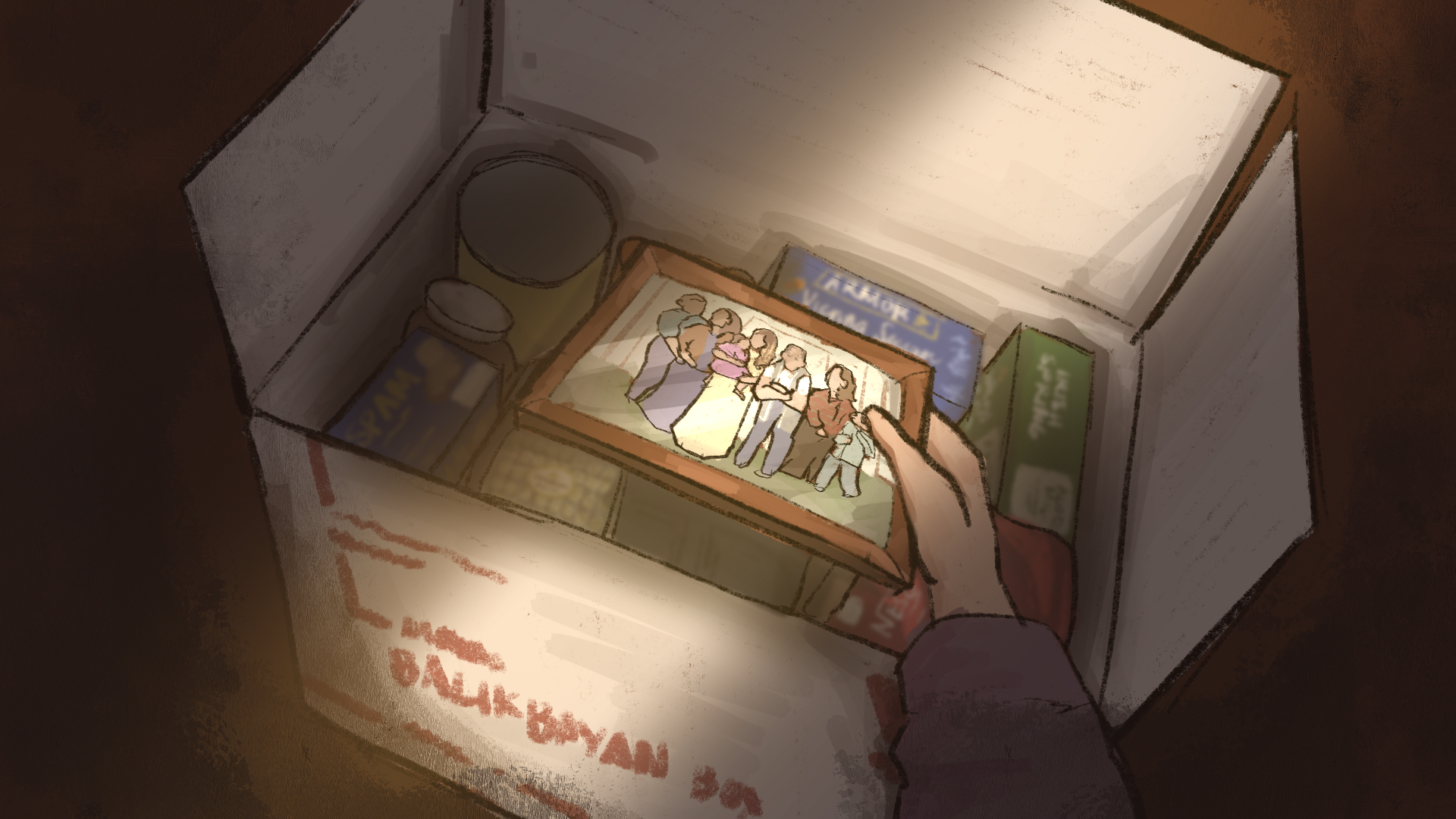
WHAT if the place you came from is not the place that shaped you, and the place that shaped you is not where you feel you belong? Which would you call home?
For some Filipino Americans, home is a place they have never known firsthand. Instead, it exists through family stories, language, and traditions carried across thousands of miles from the Philippines.
When Home is in Two Places
Even when Filipinos build new lives abroad and raise families far from the Philippines, they carry their culture with them. For children raised in America, traditions may hold different meanings than they do for their parents. What comes naturally to Filipinos raised in the Philippines may become a practice that those raised abroad must consciously learn to preserve. Meanwhile, those who return to the Philippines after growing up abroad may struggle to navigate unfamiliar expectations, values, and traditions.
As heritage and experience pull in different directions, identity becomes less about choosing one over the other and more about learning to live between them. In doing so, many are left to answer a deeply personal question: Where do I truly belong?
Too Filipino There
For Filipino Americans, the struggle for belonging may extend beyond the United States. While some are perceived as “too Filipino” abroad, returning to the Philippines can also mean confronting a homeland that feels unfamiliar. Navigating two cultures may become more difficult when identity is further shaped by racism and microaggressions.
Research from Santa Clara University in California highlights seemingly harmless questions such as “You speak English so well,” or “Where are you really from?” can reinforce ideas of colonization, exclusion, and a long history of systemic racism. These perceptions have deep historical roots. During the Philippine-American War and the decades that followed, Filipinos were often portrayed as inferior and uncivilized, reinforcing stereotypes that continue to influence how Filipino Americans are perceived today.
These experiences can reinforce the perception of Filipino Americans as perpetual foreigners, even when their families have lived in the United States for generations. Racial stereotyping, questions about their American identity, and assumptions about their origins can contribute to feelings of exclusion and weaken their sense of belonging.
Too American Here
The distance between heritage and upbringing is not always measured in miles. Filipinos who return to the Philippines after growing up in the United States may encounter unfamiliar cultural norms, social expectations, and everyday realities. Despite sharing the same heritage, they may struggle to adjust to a country they have long understood through family and cultural ties.
Local humor, unspoken social rules, and shared childhood experiences often become measures of identity. Those who grew up elsewhere may find themselves caught between a heritage they claim and a homeland they are still learning to call their own.
A Home Between Two Worlds
Bicultural individuals may be viewed as “too American” in the Philippines while feeling “too Filipino” in the United States. Yet a bicultural identity does not require one culture to take precedence over the other. Being Filipino does not mean choosing a single identity or abandoning parts of one's upbringing to be accepted.
Identity is shaped by an evolving mix of cultural influences and personal experiences, rather than a single origin. Home, then, need not be a choice between two countries. It can be a space where different parts of one's identity coexist.