By Elianahbel Mari Ramos | October 12, 2026

By Elianahbel Mari Ramos | October 12, 2026
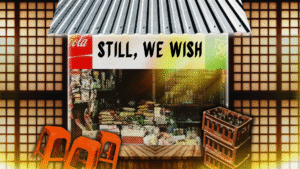
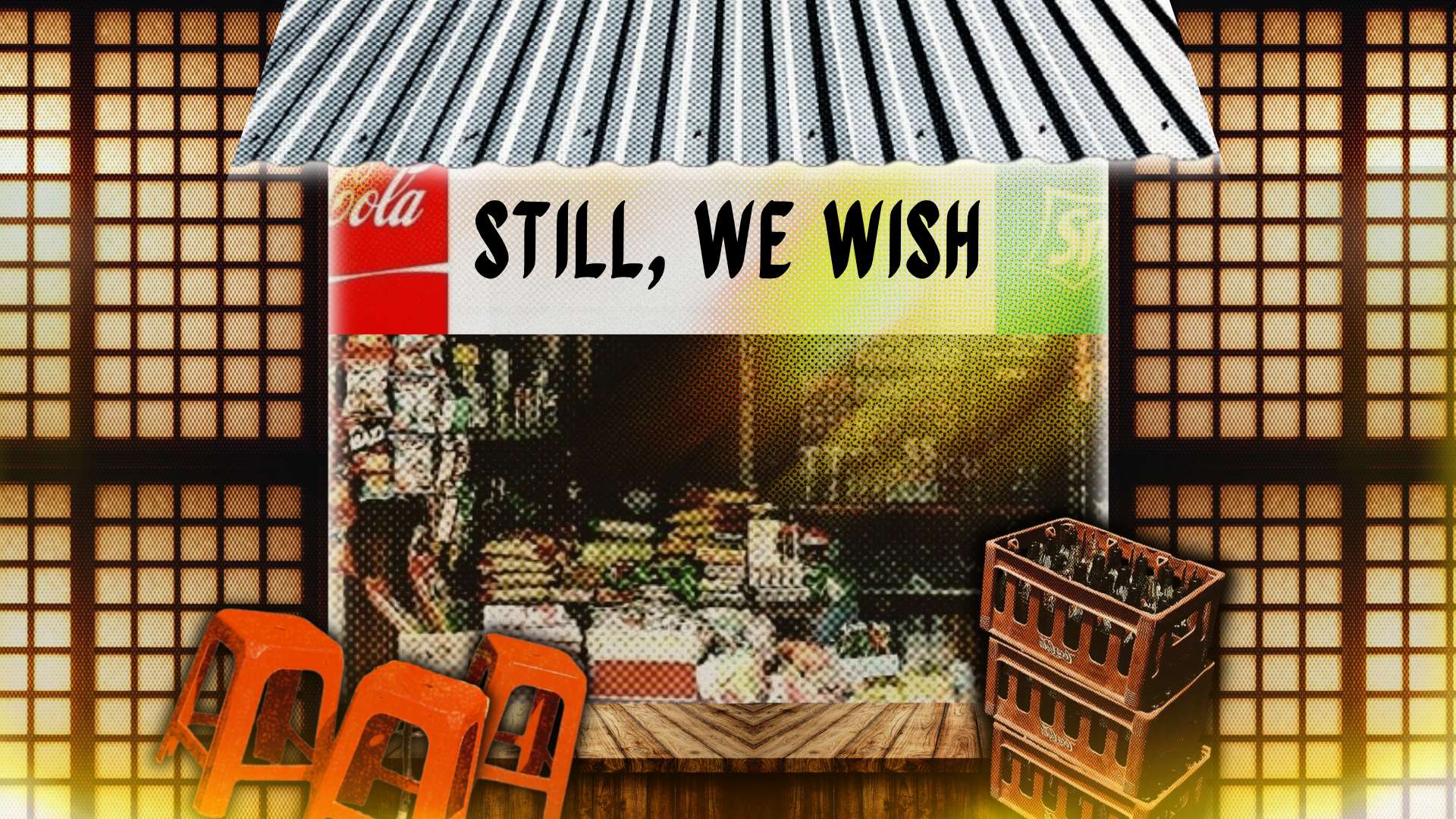
A dream is common enough, but a wish is a rarity on its own. It is born in a split second of desperation, formed through a whispered plea blown over melting birthday candles, a quick search through a patch of clovers, or a silent promise locked away behind closed eyes. Ask anyone what they wish for most, and the answer is rarely grand: just decent jobs that keep parents home, prices that spare the dinner table, and a government worthy of our endless patience. Perhaps that is why we hold onto it so tightly, hoping it will finally come true.
We have long found ways to believe in the unseen, finding a wish in every falling star and a quiet bargain in the night sky. Time and time again, we turn to the stars and wish, asking for a little grace when life demands too much.
Wishing is a risk we embrace. We ask the dark to listen, and we always find a way to believe it does. A wish is faith disguised as a whisper. And magic, although unseen, is not impossible in the hearts of those who wait.
The Weight of Our Longing
Step into any Filipino neighborhood as October goes into December, and you will hear what those wishes actually sound like. Long before the Christmas carols fade, people begin preparing not just their homes, but their hopes for the coming year. They wish for stable employment to bridge the next pay gap, medical bills cleared for a parent, or simply a government that works so they no longer have to leave the country. For Pampanga lantern maker Arnel Flores, wishing is not only something whispered beneath a night sky—it is also something he builds, piece by piece.
Flores had no formal training in electrical work or engineering when he began making giant lanterns, or parol. He learned by experimenting with electrical layouts, working by intuition, and sourcing the boards and lights each design required. His first steps were uncertain, but he kept trying. That persistence carried him into local lantern festivals, where he won Grand Champion titles in multiple categories, including entertainment and design, bringing pride to his family.
Then the pandemic interrupted his livelihood. With work on hold and finances strained, Flores relied on community support to get through. In the years that followed, he continued to adapt, incorporating recycled materials, rotors, and more complex electrical components into his designs.
The awards matter, but Flores’ story is about more than winning. His craft became a bridge to a better future for his family, and a source of hope when that future felt uncertain. Each lantern holds a kind of wish: for work to return, for creativity to endure, and for a family to keep moving forward.
His journey reminds us that wishing does not always mean waiting for something to happen. Sometimes it means learning as you go, making something with what you have, and accepting help when you need it. Sometimes a wish takes shape in light, built by hand and shared with a community.
The Beauty of Wishing
But what happens when the candles melt down to nothing and the stars stay silent? A denied visa, a stalled promotion, or a government that fails to change despite years of wishing and hoping can easily make the heart grow tired. Yet nobody ever truly stops wishing.
That persistence is admirable. But it is worth asking why so many Filipinos must wish for things that should be within reach: stable work, affordable healthcare, reliable public services, and leaders who answer for their decisions. When the same hopes return year after year, wishing can become a measure not only of resilience, but of what has failed to change within the government.
The burden should not fall on ordinary people to make up for shortcomings in public services or policy. A father stringing old Christmas lights while worrying about the electricity bill, or a jeepney driver rising before dawn to face traffic and rising costs, may show remarkable resolve. But their endurance should not be mistaken for proof that the system is working.
This is why our wishes can never remain mere whispers in the dark. A wish helps us imagine a different future, while persistence and solidarity help bring it closer. Its true beauty lies in refusing to accept hardship as inevitable and in demanding that those in power do better.
And so the cycle continues, quiet but never passive, every time a new year arrives or a lone star streaks across the dark. Our hopes transform into a demand for greater systemic change, proving that a wish is only the beginning of a better reality.
Volume 32 | Issue 4