By Alisandra Untalan | October 16, 2026

By Alisandra Untalan | October 16, 2026
AMID student protests, death threats, and a university no-confidence vote, New York state prosecutors have stepped in to reopen a criminal case against seven Cornell University students accused of drugging and gang-raping an underage girl in 2024. The state intervention follows widespread outrage over local authorities' initial decision not to pursue charges.
The Allegations
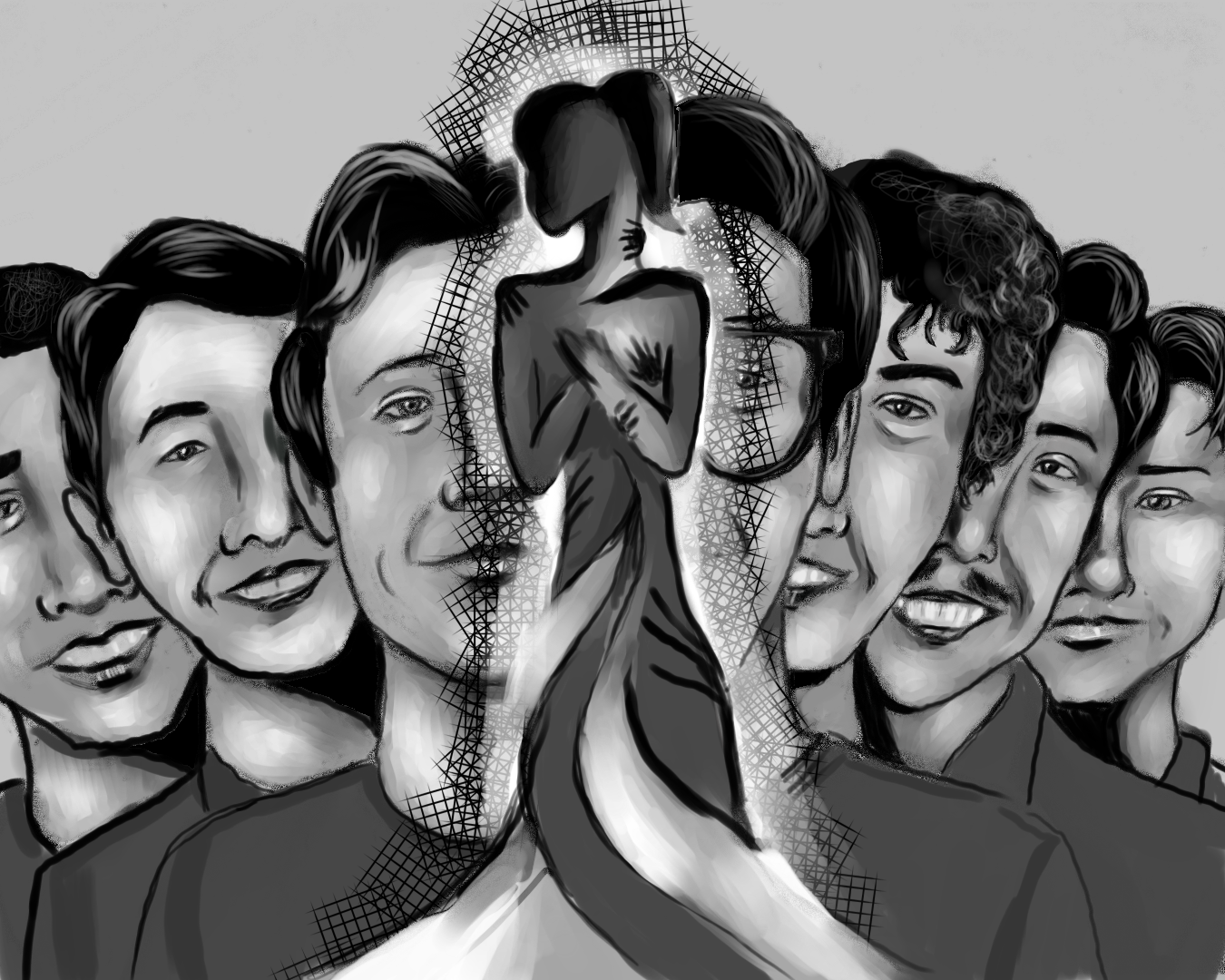
Lawyers of Jane Doe, filed a civil lawsuit in mid-September against the university and the accused, referred to online as the "Cornell 7," including Matthew Ingalls, Jonathan Newell, Winston Lee, Gillio Lopes, Diego Sarabia, Scott Norris, and Scott Kretzschmar.
The suit alleges that she visited a friend at the Chi Phi house while already intoxicated and that two fraternity members pressured her into taking ketamine. This drug causes "dissociative anesthesia," where a person can appear awake but feels completely disconnected from their physical body, pain, and surroundings.
Court records show some of the accused described the sexual activity as consensual when interviewed by Cornell investigators. The Tompkins County District Attorney released a statement regarding the case reading, "On the contrary, Jane Doe's statement described her participation in drug use and sexual conduct as voluntary, conscious, and consensual."
The suit accuses Cornell of negligence for failing to protect Doe, then 20, and for failing to prevent the alleged abuse and supervise students.
The 2024 Report and Cornell Hearing
Doe reported the incident to Cornell police and the university's Chi Phi chapter last Nov. 8, 2024, and the university placed seven students on temporary suspension. She told campus police she could say with 100 percent confidence she was raped. On the night of the abuse, court records reveal a Snapchat thread included 50 fraternity members, and the lawsuit highlighted that not a single person in that group chat called the police.
Cornell expelled two of the accused following the report, including Ingalls, who allegedly invited Jane Doe to the fraternity house and pressured her into taking ketamine. The second expelled student was not named, and the remaining accused were instead assigned “reflective essays,” a punishment students argued was too lenient. According to The New York Times, the university held a closed proceeding before a three-member panel that met over Zoom across 12 days in May 2025, and more than 1,000 pages of records the Times obtained detail each defendant’s punishment. Cornell closed the Chi Phi chapter in 2024.
Why There Were No Charges
Matthew Van Houten, Tompkins County District Attorney, said his office relied on Cornell's 2024 investigation and did not investigate independently. He said Doe's November 2024 sworn statement did not allege she was drugged against her will or gang raped. His office said at the time that the statement's facts “did not constitute a crime”.
Cornell police appeared to have left Doe's explicit assertion that she was raped out of her six-page sworn statement, which was shared with prosecutors.
After the lawsuit was filed, Van Houten announced he was reopening the investigation and intended to present the case to a grand jury with Doe's cooperation.
Reaction
Hochul said people and institutions, including Cornell police and Van Houten, failed Doe, and she called for an independent review of Cornell's handling of the case. "I will not allow anyone to sweep this case under the rug," the Governor said, demanding that outside counsel investigate, and Cornell agreed.
The #IAmJaneDoe campaign went viral, and students and faculty protested in Ithaca on Monday, with the administration building damaged and marked with graffiti overnight. Cornell said it was investigating the damage. Speakers faulted fraternities, the trustees, and Cornell President Michael Kotlikoff, saying his administration prioritized the university's reputation over student safety.
Last Oct. 5, Faculty Senate members introduced a resolution calling for a no-confidence vote against the administration over its handling of the case. Student government president Eeshaan Chaudhuri said the university's initial investigation needed a fresh look, and asked why the district attorney's office did not do more.
Cornell's Statement
Last Sept. 21, Cornell released a statement, stating that it takes sexual assault allegations extremely seriously and that its civil rights office investigated and adjudicated the case under university policies. "Federal privacy law prohibits Cornell from disclosing specific information regarding individual students, and we therefore are unable to make a public statement on any other disciplinary response," they said, adding that they will "respond in detail through the legal process."
The lawsuit says the seven students were given the chance to reduce their punishments by submitting essays. Cornell said none of the students involved were assigned essays as the sole consequence. Kyle Kimball, vice president for university relations, said any suggestion that Cornell did not impose consequential punishments was false.
Cornell said it supported sending the case to a criminal grand jury. Kotlikoff backed an independent review and pledged greater transparency. The national Chi Phi fraternity said it had permanently expelled the alleged perpetrators.
The attorney general's criminal investigation and Doe's civil suit are both ongoing. The defendants deny the allegations.
Volume 32 | Issue 4