By Keira Cidonie Alberto | September 23, 2026

By Keira Cidonie Alberto | September 23, 2026
CHARACTERS seen across comic book pages have long brought comfort and a sense of identity to Filipinos. Beyond entertainment, they have become reflections of dreams and ambitions. Since the early 1920s, komiks have become an integral part of Philippine pop culture, evolving from Filipino-crafted works to stories and characters embraced around the world.
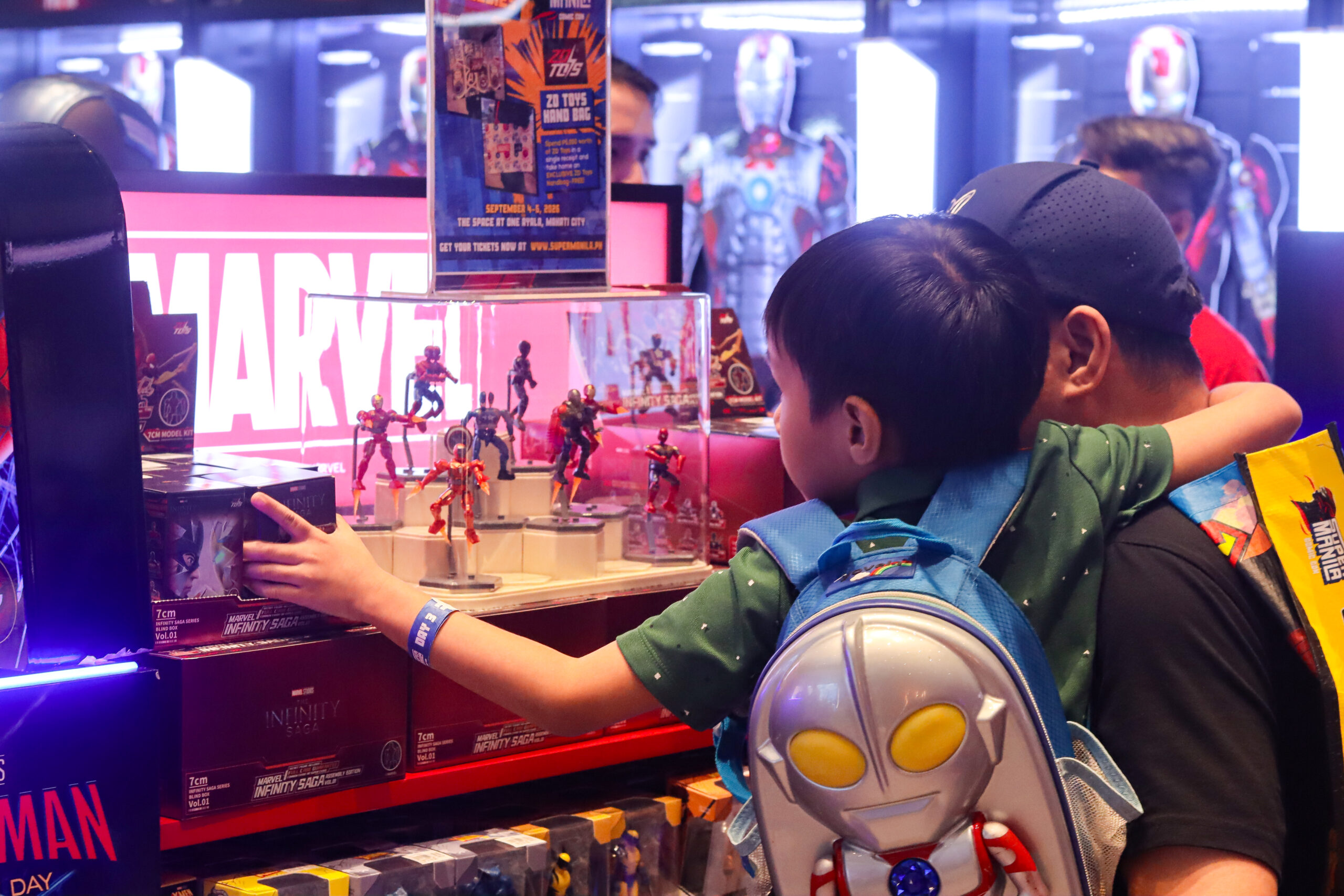
Launched in 2019 and tagged “The Capital of Pinoy Pop Culture Celebration,” SuperManila Comic Con celebrates the many facets of Philippine pop culture. This year, the event took place last Sept. 4–6 at One Ayala in Makati City, featuring 31 international and local writers and artists. Beyond comics, the convention explored animation, films, collectibles, and the communities built around them, bringing a distinctly Filipino experience to a convention culture often associated with Western pop culture.
More Than a Celebration of Art
As one of the country’s most enduring forms of pop culture, komiks continue to bring generations of Filipino fans together. SuperManila Comic Con revived this spirit by bringing internationally recognized artists, rising local talents, and classic works together for communities that have grown alongside the medium—and for those discovering it for the first time.
“There’s something for everybody. There’s something for younger, older—it’s a wide variety. [...] They’re coming with their brother, sister, or mom, shocked that ‘Oh, comics still exist?’” Sandy Sansolis, owner of Comic Odyssey and event organizer, reflected on seeing different generations reconnect with comics.
Those who grew up flipping through their favorite issues also had the opportunity to meet the artists behind the pages: Mike Zeck, known for introducing Spider-Man’s black costume in Secret Wars, which later inspired the iconic Venom. Renowned Marvel and DC Comics illustrators Stanley “ARTGERM” Lau and Peach Momoko also drew large crowds, with fans lining up for exclusive commissions and signatures.
Kendrick Lim, who worked on “Absolute Wonder Woman” (2024), also expressed his gratitude for meeting Filipino fans again after two years, “I love coming to the Philippines, meeting the fans and the artists.”
The event was also a source of pride for Filipino artists, bringing Philippine talent to the international comic book scene. Artists like Romulo Fajardo Jr. have turned the dream of working on major comic book titles into reality, with his work alongside Carlo Pagulayan and Jason Paz featured on the Philippines-exclusive Absolute Flash cover. “Siyempre, nakakaproud na nagrerepresenta ako sa international na comic book scene as a colorist. Siyempre marami naman rin talaga magagaling dito,” he said.
Back to the Classics
Beyond internationally recognized titles, fans were given an opportunity to revisit classic Filipino komiks.
While komiks may not have soared beyond the international stage due to the low print runs, it doesn’t change the impact it had made on its people— whose previous generations had grown alongside it. Komiks became a medium, a medium not only for entertainment but for a certain kind of truth that reflected deep within the Filipino blood.
Heroes became mirrors of those who took action, while villains reflected the corruption of power. Entire pages became reflections of Philippine history.
The event featured an exclusive reprint of the original Darna (1950) by Mars Ravelo and Nestor Redondo. The release came in two versions, with 1,000 copies each priced at P1,000 and P800, respectively. Both editions featured artwork by Stanley Lau. Another Filipino classic, Francisco V. Coching’s Ang Kaluluwa ni Dante (1949), was also reprinted in its original black-and-white format, with only 300 copies available at P1,000 each
Darna and Dante Magtanggol were not reprinted simply to remind Filipinos that they could create impactful stories and characters of their own. They also served as reminders of Filipino storytelling and its legacy across generations.
Bringing back these classics shows the lasting legacy of these works while giving rising artists across the country inspiration to create and share their own stories.
Bringing The World Together
Fans also found excitement in interactive booths promoting highly anticipated titles such as Avengers: Doomsday, Clayface, and Resident Evil, alongside limited-edition merchandise and souvenirs. The convention also bridged Eastern and Western pop culture through exclusive Tagalog-dubbed screenings of anime such as Wind Breaker, brought by Muse.
For Filipino fans, conventions centered on Western comics and pop culture remain relatively niche compared with the popularity of Japanese media. One attendee noted, “It’s very rare to have these kinds of conventions in the Philippines,”
For Filipino fans, the convention offered a space to experience the global culture of comics and cosplay while making it their own. Filipinos have always found ways to make global influences uniquely theirs, bridging generations through shared passions, childhood dreams, and new stories waiting to be told.
After all, we have always had something uniquely Filipino: innovation, ink, and community.
Volume 32 | Issue 3