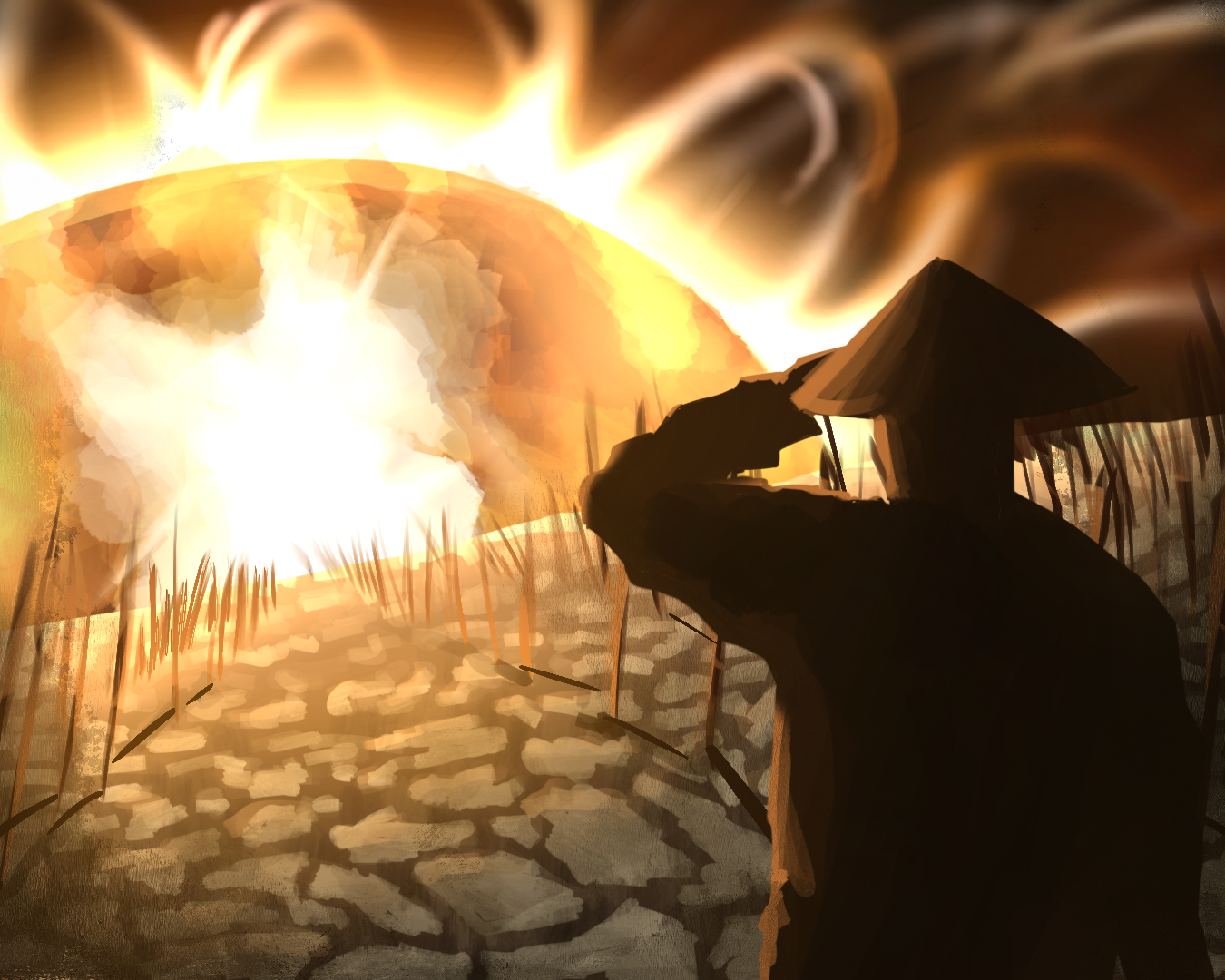
LAST Oct. 22, the United Nations (UN) announced that a strong El Niño is expected to affect multiple regions across the Philippines into 2027, worsening drought, heat, and water scarcity across the Philippines, threatening food security, health, and public safety.
The UN said climate shocks pose significant development challenges, affecting food security, health, nutrition, water resources, livelihoods, human mobility, and community well-being.
Ms. Tristan Burnett, Chief of Mission of the International Organization for Migration and chairperson of UN Philippines’ technical group on climate action, environmental sustainability, and disaster resilience, stated that authorities must address climate mobility as a resilience and development issue, not only as a humanitarian one.
Threats to Food Security
Food security and rural livelihoods remain vulnerable to climate shocks, as agriculture, livestock, fisheries, and rural incomes face increasing risks. These impacts threaten farming and fishing communities already affected by recurring disasters.
The UN warned that declining agricultural production could drive up food prices and reduce household incomes, limiting families’ ability to recover from climate-related disruptions.
A joint report by the National Economic and Development Authority and the International Food Policy Research Institute projected a 4% decline in overall Philippine crop yields by 2050 if climate shocks remain unmitigated. Corn yields are projected to fall by 13.6%, while rice production is also expected to face significant reductions.
Public Health Risks & Sectoral Crisis
Extreme heat and water shortages are compounding health risks by worsening cardiovascular, respiratory, and kidney conditions, while shifting rainfall patterns elevate the threat of dengue and diarrheal diseases.
According to the UN, water scarcity is further impairing sanitation practices, health delivery, and maternal care. To mitigate these cascading hazards, the organization is collaborating with national and local authorities on anticipatory action and climate-informed planning. This includes supporting the government to establish the Health National Adaptation Plan, which integrates climate and disaster risks into health policies, planning, investments, and risk-informed social protection.
The UN is prioritizing children, women, older persons, persons with disabilities, and Indigenous communities by preparing emergency supplies and ensuring access to healthcare and social services during crises.
More than 97% of children in the Philippines are exposed to multiple climate-related hazards, according to the UN. These hazards threaten children’s health, education, and development, while climate shocks contribute to malnutrition, disease, school disruptions, and child protection concerns.
The Philippines remains among the countries most affected by climate-related displacement. Disasters and livelihood losses force families to leave their homes, disrupting access to healthcare, education, and social protection. UN agencies are monitoring displacement and providing shelter assistance to affected communities.
Governance and Call to Action
“Our message today is clear - climate shocks do not have to become humanitarian crises. We have the science, the forecasts, the knowledge, and the tools to act early,” stated Burnett as she issued a direct call to action.
The UN urged accelerated investments in local resilience, food security, and climate adaptation so that communities can withstand environmental pressures before disasters escalate.
In response, under the National Disaster Risk Reduction and Management Plan 2020-2030, agencies including the Office of Civil Defense and DOST-PAGASA are implementing “multi-hazard early warning systems reaching the last mile” to better prepare vulnerable communities before disasters escalate.
Among the plan’s targeted outcomes, they seek to “build resilience of livelihoods and businesses” and for communities to “have access to effective, responsive and inclusive social protection, risk financing and insurance mechanisms.”