Written By Marie Leen Obal | December 22, 2025
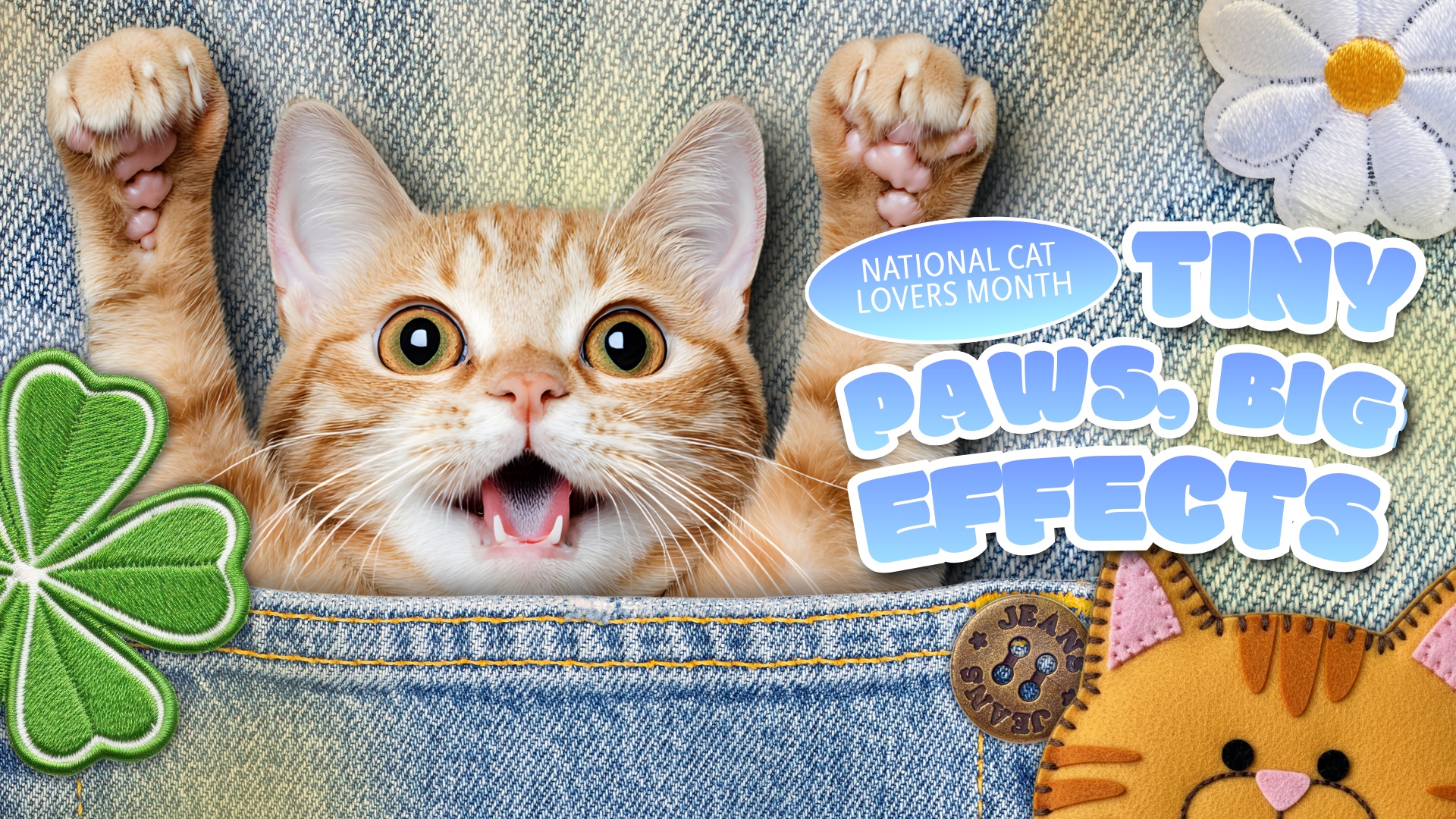

Written By Marie Leen Obal | December 22, 2025
COULD your beloved feline companion influence your brain in ways you never expected? Emerging research explores a possible link between cat-borne parasites and schizophrenia.
A 2023 review led by psychiatrist John McGrath at the Queensland Centre for Mental Health Research in Australia analyzed 17 studies from 11 countries. They found that cat ownership was associated with a higher risk of schizophrenia‑related disorders. Schizophrenia is a mental health disorder that affects how people think, feel, and behave. People with schizophrenia may experience hallucinations, disorganized thinking, and delusions. It usually starts in late adolescence or early adulthood and can be lifelong, but with treatment, symptoms can be managed.
The idea that owning a cat could be linked to schizophrenia was first proposed in 1995. Thirty years later, researchers are still exploring the question, driven by curiosity about how our feline friends might influence the developing human brain. But this raises a bigger question: is cat ownership truly a cause of schizophrenia, or are researchers — and perhaps society itself — are looking for explanations to soften the stigma surrounding people with schizophrenia?
Purring into the Mind
For children growing up with a cat, their furry friend is often seen as a source of comfort and a constant companion in their daily lives. Yet, some researchers suggest that cats might also influence the developing brain in subtle ways. One possible factor may be Toxoplasma gondii (T. gondii), a parasite that reproduces in cats and can be transmitted to humans through contact with contaminated feces, undercooked meat, or contaminated water. Some studies suggest that infection with T. gondii may subtly affect brain chemistry and behavior, which could help explain the link between cat exposure and schizophrenia-related traits, including personality changes and psychotic symptoms such as hallucinations, delusions, and disorganized thinking or behavior.
In their 2022 study Hakami suggested that childhood exposure to cats has produced intriguing but mixed results. McGrath from his 2023 review also suggests that children who grow up around cats may be about twice as likely to develop schizophrenia-related disorders later in life compared to those with no exposure, while Solmi and his colleagues in 2017 found no significant link at all, emphasizing the inconsistency in the evidence. These conflicting findings illustrate how complex the issue is and how much remains unknown.
Rather than providing definitive answers, the research underscores the need for caution. Cat ownership alone is unlikely to cause schizophrenia, a condition shaped by genetics, environment, and social factors. Most of the research comes from case-control studies, which can show patterns but can’t prove that owning a cat actually causes schizophrenia. For now, the question remains open, reminding us that science often advances not through certainty, but through careful inquiry.
Feline Therapy
Despite these uncertainties and lingering questions about potential risks, cats have long been cherished as more than just pets — they quietly heal their owners in their own small, profound ways. They enter a person’s life with a purpose; to bring comfort to the hearts they never set out to break, to brighten ordinary days, and to turn small moments into sources of happiness and love.
For many, the bond feels almost like having a child. It becomes a source of daily happiness, greeting you at the door after a long day, curling up on your bed, or simply purring in quiet reassurance. Caring for them can be a challenge too. Vet visits and check-ups can be as expensive as a human baby, minus the tuition fee, but the joy they bring often outweighs the worry, turning ordinary routines into moments worth savoring.
While research continues into the complex relationship between cats and the human brain, one thing is clear: cats play a real role in our emotional well-being. From reducing stress to brightening everyday moments, they offer subtle, tangible benefits that science is only beginning to understand. For cat owners, the proof is in the experience — purring, playful, and persistent, these small creatures are quietly shaping the way we feel, think, and heal.
Whether through scientific curiosity or the quiet rhythm of their purrs, cats continue to show that small creatures can leave a big mark on our minds and hearts.
Volume 31 | Issue 6